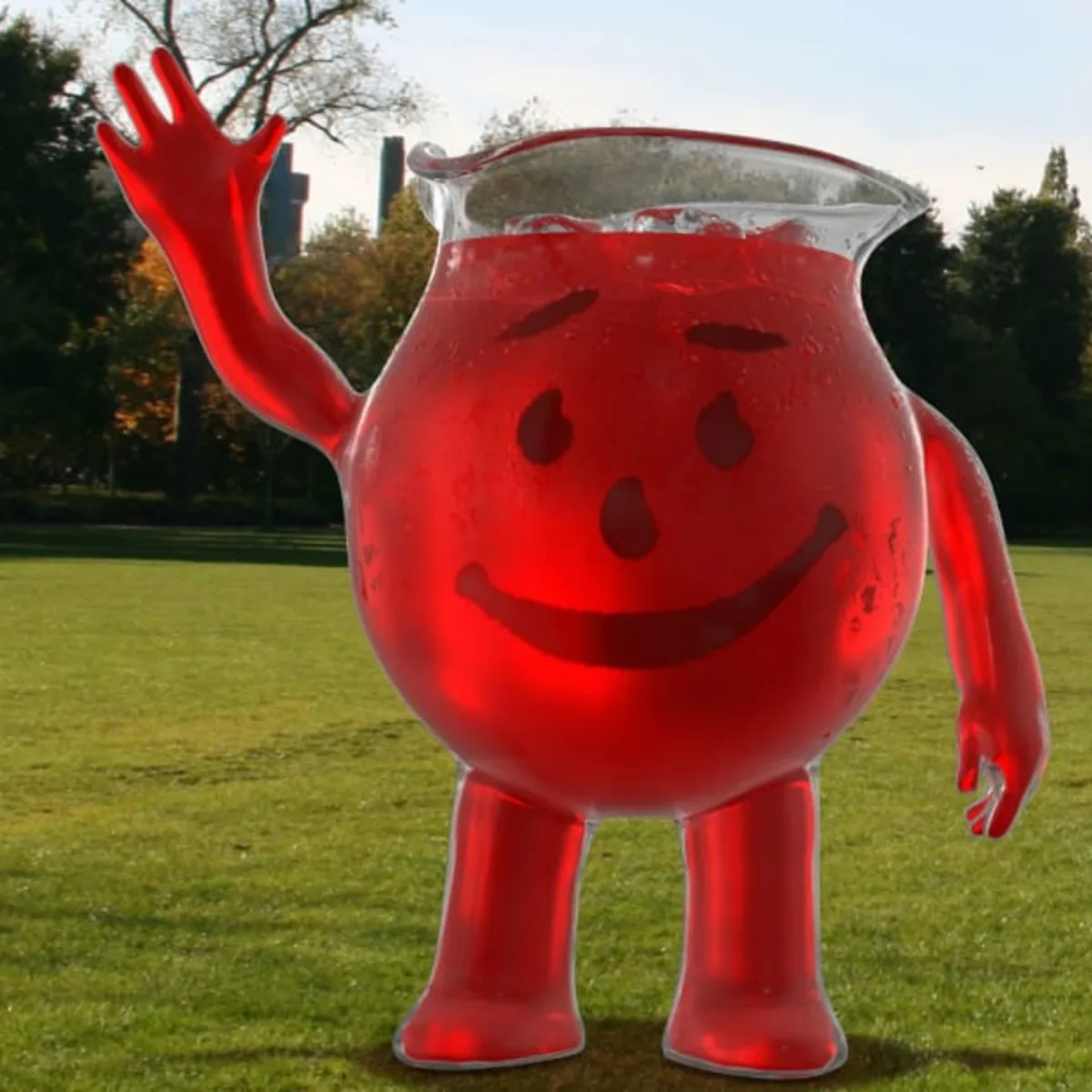
Drinking the Kool-Aid
The truncated version of my 10-years’ journey from high-school newbie to washed-up hobby racer, some takeaways, and where to now
I want to think that my running story begins long before I actually ever ran without the intention of getting from one place to another. 10-year-old me got to observe my mom’s daily routine of running to work through the SoCal wilderness and then flying to Boston for some weird event once each year. I think I tried a Gu gel or two and got the sense that light shoes with vibrant colors and clothes made out of dri-fit material were an important criteria for success, but beyond that I mostly learned that the sport was a large part of her identity. I came to associate the sport with her strengths—honesty, consistency, and kindness. It was only until after getting to college when all of my running nerd friends made me aware of the huge athletic pedigree that I had supporting my career, so thanks for the help and inspiration, Mom.
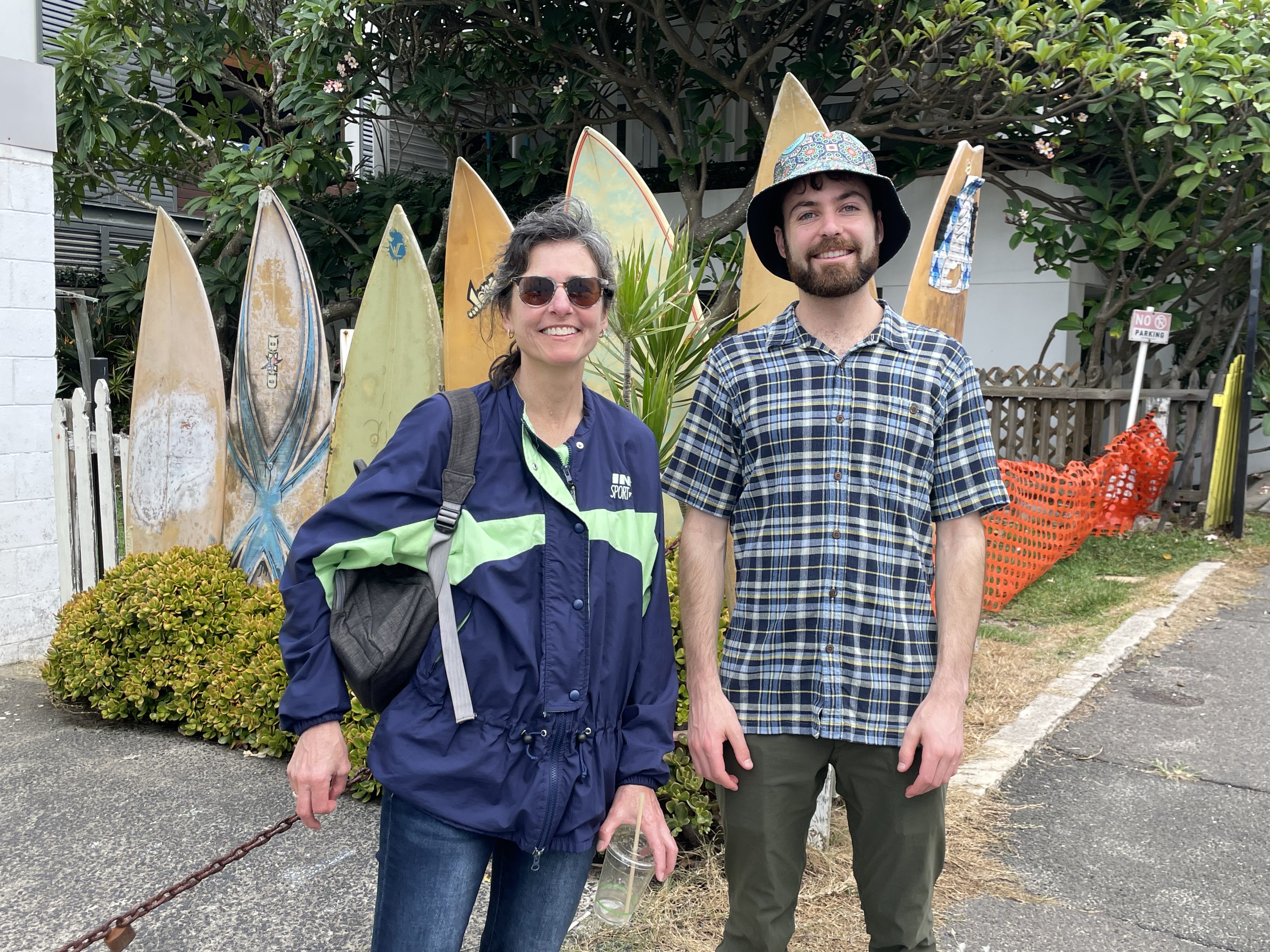
Relatively recently, I also learned that my dad swam in college. He brings way more athletic credit to the table than I have so far recognized him for. It’s always been in the back of my mind to eventually switch over to the pool, but there are a few more boxes on my running bucket list that I need to check before I commit to that. Thanks, Pop.
Every sport that I played while growing up was frustrating as hell. At the time, I think this came from some lacking skill in temper management coupled with the unrealistic expectation that I had to be the best in everything that I picked up. Not being from a family that watched professional sports also left me with no higher inspiration or general love for the sports that I tried doing. There was a Little League summer, a basketball summer, many seasons on the middle school surf team, and then finally tennis by the end of middle school. All these were trending in the direction of teaching me that it’s OK to be average and maybe just enjoy doing the sport as a physical activity or by relishing in your own improvement from one year to the next.
As a freshman in high school, my mom signed me up for a cross country
season. I don’t think she’s ever forced me to do anything like
most moms would. She absolutely has a way of guilt tripping me into doing
things and this was certainly one of those instances. I can still remember
her saying “come on, it’ll be really fun. Look at how much I
enjoy it!” and thinking that there’s no way it would be cool to
do something that parents view as entertaining. 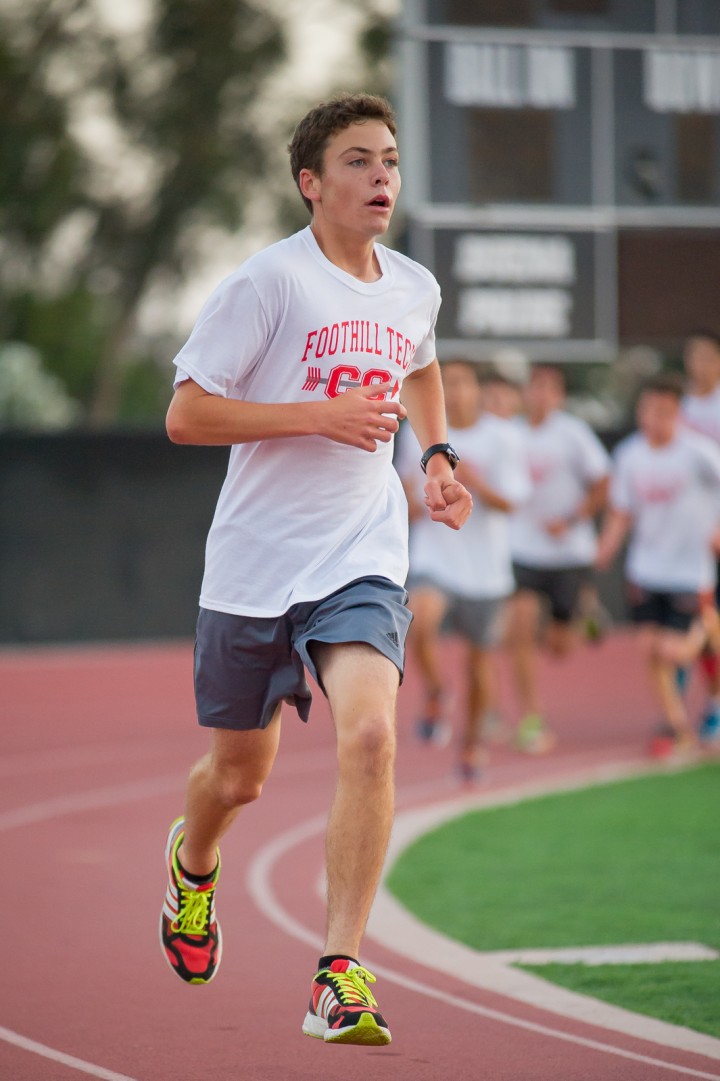
I ended up dropping more things to focus on sports over the next year of high school. I stop playing in jazz band. I interacted less with friends who did not run. I started to see my coach and older teammates as better mentors and role models than teachers and fellow classmates. I can see why this was concerning to my dad, who I think has a very neutral perspective on the sport and maybe a negative one on sports in general from his past experiences. With so much time going into one activity, it is important to consider how that activity shapes you. If you’re drinking Kool-Aid with the wrong people, it can be lethal.
The rest of high school can mostly be ignored except for junior year when
something happened that gave me a new sense of attachment to the sport. I
ran the Arcadia invitational that year in one of their B-tier 3200 heats and
set up pretty impressive PR off of following and out-kicking a sophomore
runner from Newbury Park by the name of Nico Young. 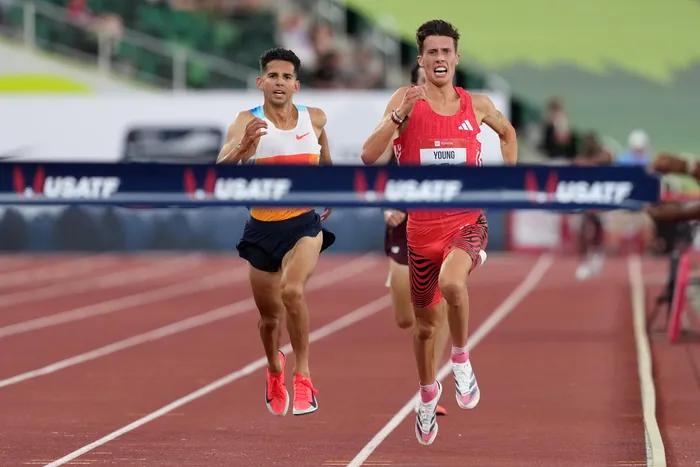
That same year, a coach named John Goldhammer reached out to me asking if I wanted to visit his team at the Claremont Colleges in eastern LA. After a two-day recruiting trip spending time with several of his lunatic athletes who mostly went to Claremont McKenna College, I was totally sold on going to school in Claremont to run miles and drink beers. The unfortunate oversight I made was in applying to get my engineering degree at Harvey Mudd College, which lies just one block North of Claremont McKenna. Social skills here are less abundant than I experienced on my tour, but people there still run lots of miles and drink beers. In the end, I guess it all worked out and that ended up scheduling the next four years of my running career. This started in Fall of 2019 when the world was so innocent, the tech job market was unperturbed by global economic shifts, and most Americans had probably never engaged in mortal combat over a roll of toilet paper. I remember being intimidated by my teammates who were mostly faster and better looking than I was and by coach Goldy, with his growing track record of fake-strangling his athletes.
I set some impressive marks that season and got a taste of what I
would’ve learned from my college experience had things continued
without a global pandemic. From my perspective, the team was together, the
team was successful, and the mentorship of my seniors was the primary reason
for my improvement over those four months of racing. People who were much
faster than me seemed to acknowledge my potential. The casual “good
job out there today, Big Dog” or nod from the seniors at team
functions made me feel like they cared about both our friendship and my
success in their group. Not one or the other. I can imagine this is a major
frustration for anyone on this team who is now in the professional world. It
can’t be like this in a competitive, partially zero-sum game.
It’s also surprising to me that this seemingly can’t exist
without devoting your entire life to a single activity—to drink the
Kool-Aid, so to say. I’m simultaneously very grateful to had this
experience, but also frustrated that I have this to compare to many future
teams I will work on or compete with. 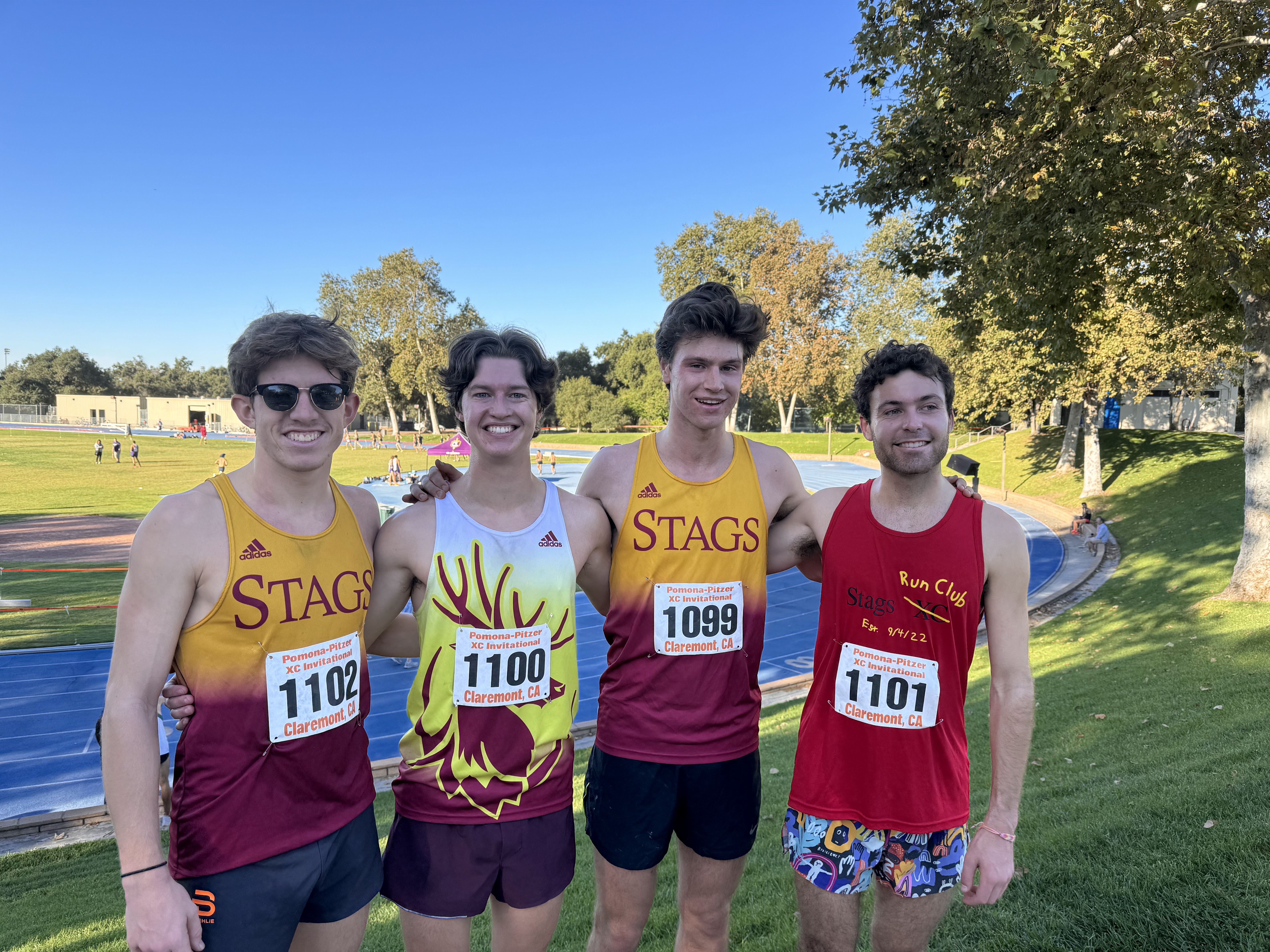
Moving back home and finishing up that semester, keeping the runs in just for mental clarity and little else rapidly changed my relationship with the sport. There were no highs of winning, there were no lows of the team having a shitty day, just the sound of my feet on the completely empty bike path and the miles ticking up. Running probably allowed me to exist without depression in this state, but I think it also masked the reality of what everyone in college at this time was losing—the ability to connect with physically present people. This is where I understand that running can be dangerous and that it allows people to isolate like this in a very peaceful state. It remains something that I remind myself of when a day-to-day life of only office work and solo runs doesn’t seem that initially harmful.
One day, I was working out at a track near my family’s home when an older guy wearing Ray-Bans and face cloaked in a cotton mask approached me asking if I was training for something. His name was Ed Italo, coach at the Thatcher School in the small, Los Angeles getaway town of Ojai, CA. I also recognized him from our league meets a couple years back. His athlete, Colin Kirkpatrick, had been a nemesis of mine on the track. Ed would coach Colin to sit back throughout the race and and then pass in the last hundred meters, a brilliantly simple race tactic but not one that I particularly appreciated at the time. Ed was a cool guy though. He had two sons, he played Burning Man sets as he rolled around in an FJ Cruiser, and he had a vastly different perspective on running than any of my past coaches. He made me aware of this over the following two years that he on-and-off coached me. In Ed’s frame of things, track is a perfectionist’s sport. Obsess over everything you can and do everything in a particular way and you will be good. You will be the best.
Running with Ed was a great experience and there are absolutely kids who have grown by buying into it, but for me the Kool-Aid became tough to drink after a few years. There were superficial things about the training that did not click. My then five-year background was primarily in longer-distance events while his vision of meaningful running only extended to four laps around the track. The actual content of his training consisted almost entirely of speed strength and no endurance development. However, the main friction point between us was caused by my emerging value of balance. Ed’s philosophy about being a great athlete is a very easy conclusion to draw from the small sample size of only the most successful people in each field or pursuit. But I think it is a false conclusion given the reality that there are more people in the world than things to be the best at. However it was becoming evident that I never did my best when I thought this way about my goals. I often performed best under the condition of balance. I believe it is very likely for this to apply to the vast majority of people who achieve mastery in something. Balance and optimality are in many ways equivalent and I realized that although I wasn’t trying to pursue being the best in the world, I was willing to relentlessly pursue my own potential. I was simply not willing to risk my fulfillment and love that I had built for this sport to test Ed’s theory.
Over the semesters that we were not on campus, my friends and I lived in Pagosa Springs, Colorado and Eugene, Oregon partially because they were great places to run also partially because we had no idea how much rain we were going to get during the tail end of Oregon winter. It seemed that my friends had built very different relationships with running during their first few months of remote school. Some had started running trails as a means of observing natural beauty. Others had clearly found that they just couldn’t run alone, but I was still very embedded in the habit of running to isolate, or perhaps to comfort myself from the feeling of isolation. This period made a lot of good runners exceptional, and probably made others realize that there were more enjoyable things in life.
The running world had changed in so many ways we got back to our first practice of 2021. Goldhammer had retired since his last hurrah over a year ago and in his place stood what some might call his inverse—a woman who didn’t say much beyond a few directions in an Eastern European accent to clarify that days’ workout. Getting to know Marina, our new coach, was awesome. Super shoes had hit the consumer running market overnight and records were starting to fall left and right. And I started approaching the sport with a new level of ambition, inspired by Ed’s promise of greatness.
This was the season where I discovered what it means to believe in myself.
To my frustration, I started running some of my slowest college times after
having trained harder than ever before. Pushing through took a leap of faith
against the sadness and resignation that I felt towards something that I
loved dearly. What was important in this situation was just taking a step
back to collect thoughts and feelings. My gut instinct of training harder
would have only worsened the problem, which I later discovered was iron
deficiency. My alternative zero-thought response of quitting the team that
season altogether was just as entitled. It took a few hard conversations
with Marina and some doctors visits to set aside my pride and just finish
the season as best as I could. To my pleasant surprise, things turned
around. And they didn’t just turn around; they changed fundamentally. 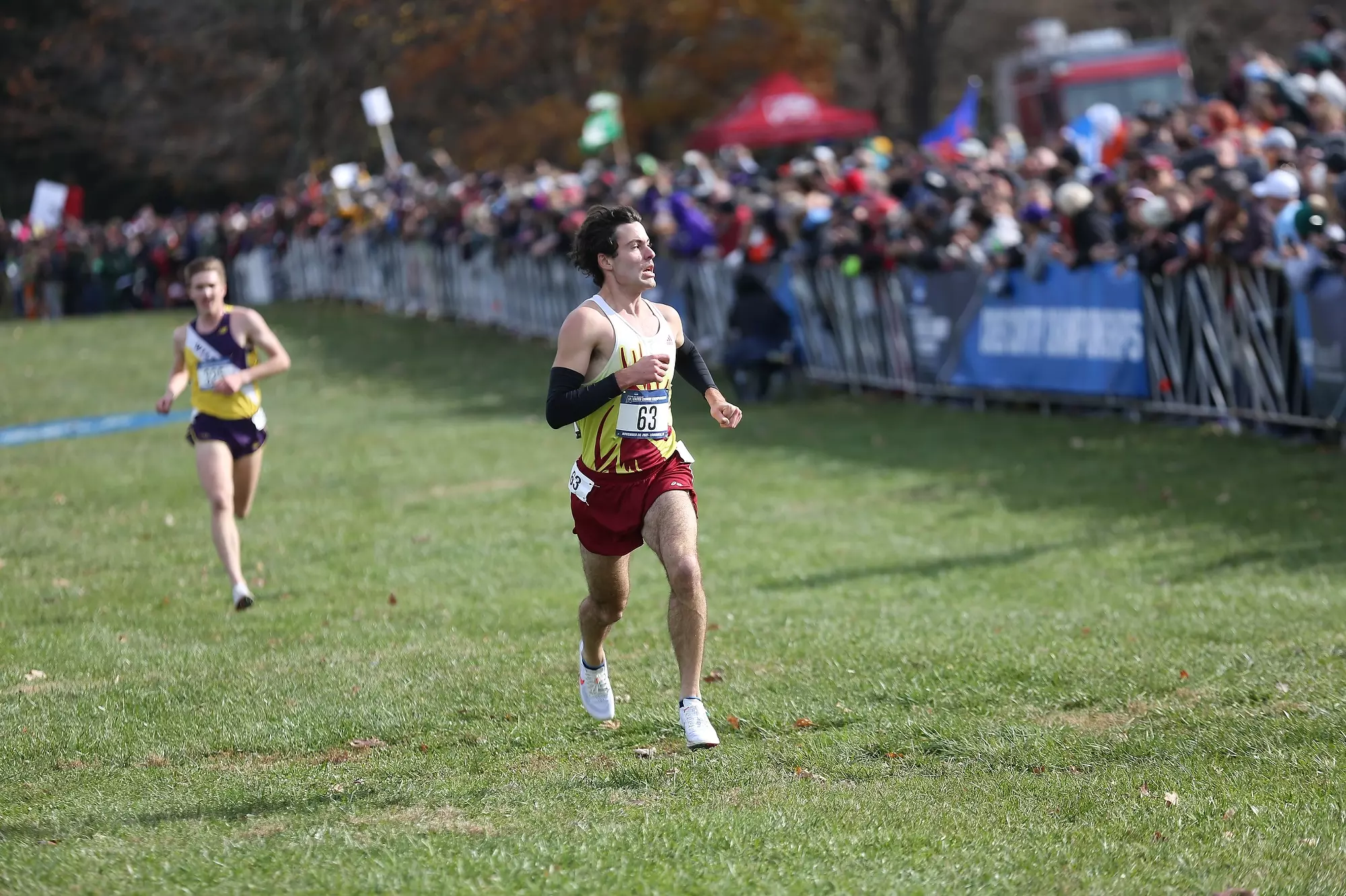
That year was an emotional and performance climax of college running for me. This was in no small part because the takeaways from that season were still processing and the philosophy that informed training and lifestyle was far from perfect. After graduating, starting my job search, and moving back home, running resumed its supportive role in life by providing me with community as well as something to wake up to each ady. There was no template, no more running career ambitions, it was now just a hobby that I continued to do for enjoyment.
After moving to Seattle and starting to work, I have more or less continued to enhance the quality of my engagements with running as a hobby. The local performance running group Club Northwest provides a majority of the training resources and community that I am now part of. While it could just be me running out there in the rain, I concede now that running is something that is better done with others. The cherry on top is that my ability and skills have continued to develop despite no longer having the intensity that I once believed was necessary to be good. The long career in this sport is evidently a result of consistency and continued enjoyment of putting in the effort, balancing the load, and stepping back once in a while to appreciate the way you’ve come.
The metaphor in this title still needs to be mentioned one last time. Running had a very influential, almost dominating effect on my life, and it is now just something that I put time into more or less at-will. A lot of us fear commitment as this thing that will have a drastic and uncontrollable impact on our lives, which is true if we are inexperienced and fail to understand what these effects are in advance. Being able to think critically about these impacts is what lets us decide whether a thing or person is worth investing this much time in. It is not the level of commitment or the amount of time that should scare us and instead how the results differ from our goals or values. Paradoxically, the things that can shape life like this are also the most rewarding. When I think of all the places that running has taken me and all of the paths that could have been explored, I find that faith in myself and honest judgement tends to work out for the right ones. There will always be an opportunity to drink Kool-Aid, and if you choose to, make sure you are doing it for the right reasons.
So long,